
Email Marketing Playbook For Course Creators: Grow From $1M to $100M+ in ARR...
A step-by-step proven roadmap for turning 7-figure creator businesses into 9-figure education empires...

Matt Hommel

I hope you enjoy this blog post. If you want my team to just do your marketing for you, click here.
Most info business founders think they need to become a “real education company” to scale past $50M.
They’re wrong.
The ones who do scale past $50M?
They usually picked one of three very different paths. And most founders don’t even know these paths exist…
You don’t need accreditation to build a massive education business.
Some of the most successful “educational” companies in the world have zero formal credentials.
Seth Godin’s altMBA has transformed 25,000+ people across 109+ countries+.
Tony Robbins’ empire generates around $7 billion annually. He’s built this without offering a single accredited course…
His “Unleash the Power Within” seminar alone earns over $10 million per year, and people are regularly paying $10,000+ to attend his events.
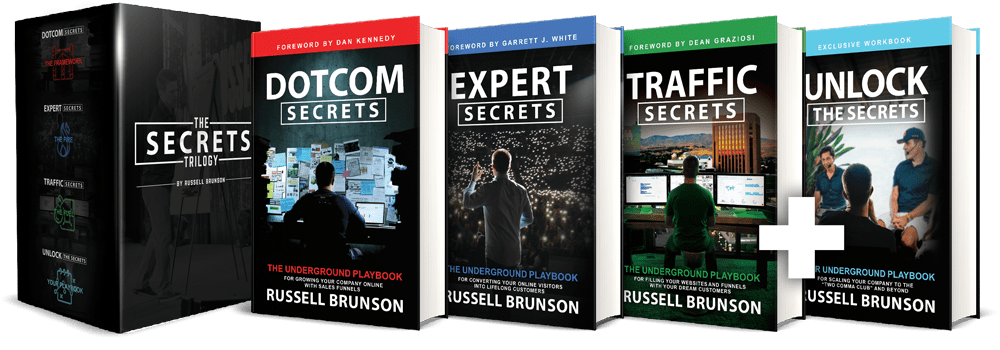
Russell Brunson’s ClickFunnels surpassed $265 million in annual revenue by 2023. He built an entire education empire teaching entrepreneurs how to use sales funnels through books, webinars, events, and coaching programs…
His books (DotCom Secrets, Expert Secrets, Traffic Secrets) have sold 500,000+ copies worldwide.
These creator-driven (or “guru-driven”) businesses scaled well past hundreds of millions of dollars in ARR.
Here’s how they’re doing it…
Many successful info/coaching businesses follow a trajectory of expansion rather than a fundamental change in their educational model. They grow by:
The last one is where the real money is at. Most successful consultants, experts, gurus, etc. consult for corporate clients and sell bulk packages.
I once had Mike Wineburg, arguably the #1 ranked sales coach come train me and my team at my first job out of college. Idk how much my company paid, but I’m sure Mr. Mike’s info/coaching offer earned himself a very generous check.
The advantages are clear…
Speed: They can launch new programs in weeks, not years. No curriculum approval boards. No accreditation reviews.
Margins: Without regulatory overhead, they keep more revenue. No massive compliance departments.
Agility: If the market shifts, they pivot. They’re not locked into degree requirements or standardized assessments.
These businesses work because they’re selling transformation and access to expertise—not credentials. Their students don’t need a certificate to get a job. They need skills.
And when done right? Tony Robbins reportedly charges $300,000 to $1 million for a single private speaking engagement. That’s the kind of pricing power you get when you’re known for results, not “titles” or accreditations.
Model #1 proves you can stay creator-driven and still build an empire.
As for model #2? Let’s find out…
Some ‘info’ businesses don’t sell information at all.
They sell credentials people are legally required to have.
This is Model #2. And it’s a completely different game…
PESI Inc. provides continuing education for behavioral health, healthcare, and rehabilitation professionals.
They generated $124.4M in annual revenue. Not from selling “how to be a better therapist” courses. But from selling CE credits that therapists, nurses, and counselors must obtain to renew their professional licenses.
What’s interesting though, is if you look at their marketing emails, sales pages, and ads, you’ll see they do sell “information.”
They sell what you’ll learn – not just the CE credits. This allows them to exploit several buying triggers of their customers—in just one email.
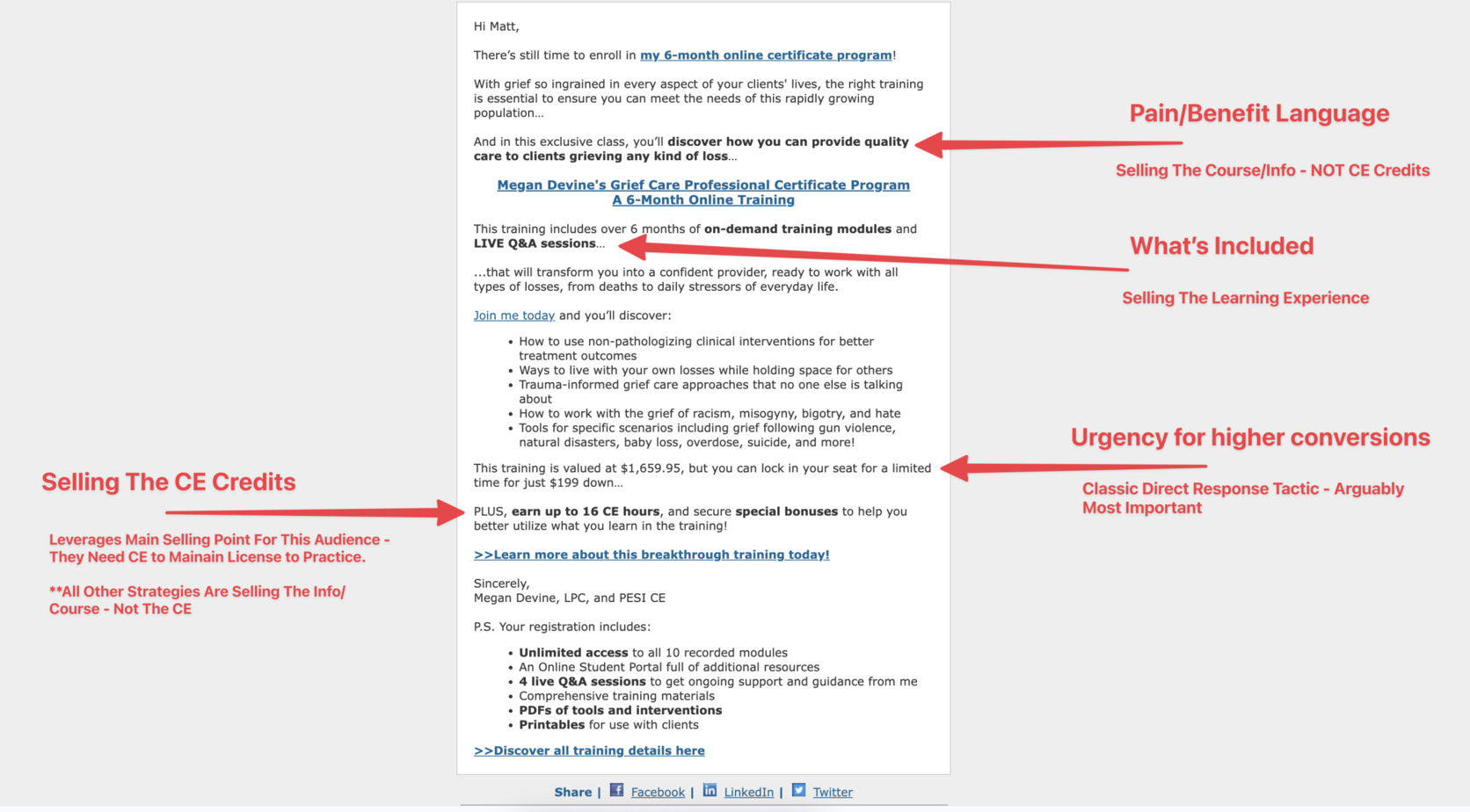
CE is a huge growth lever – because people literally need their CE credits each year to maintain their jobs (and keep their license to practice.)
Physicians in Michigan need 50 CME credits per year, nurses generally need 5-15 hours, pharmacists need 10-60 hours. Otherwise, they can lose their license and even have to pay a fine on top.
Could you imagine going through all that schooling just have your license revoked?
This isn’t optional learning. It’s mandatory…
It’s all driven by government-backed demand.
State licensing boards require professionals to complete CE credits. Many state medical boards audit up to 25% of physicians every year to ensure compliance.
CFP professionals must complete 30 hours of CE every two years according to the CFP Board.
If you miss your credits? You lose your license.
So basically, if you get a customer to buy from you one time, it’s highly likely they’ll buy from you again the following year to keep their license renewed.
This creates predictable recurring revenue cycles.
Almost like an annual membership business. EVEN if the business only sells one-time products! (no memberships)
PLUS, Real estate agents, CPAs, financial advisors, nurses all have renewal cycles, too.
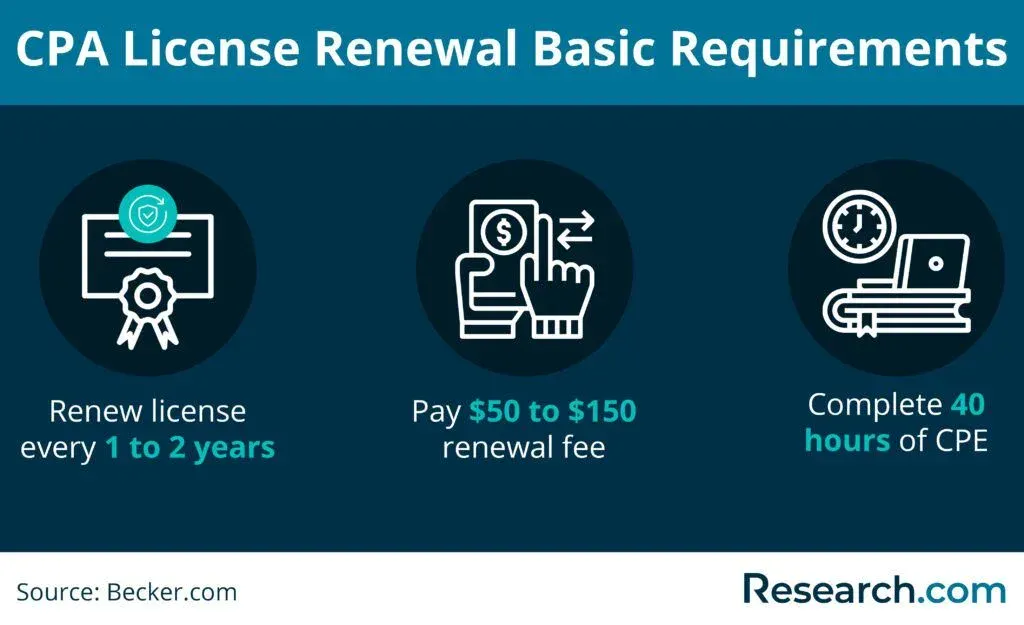
Revenue is VERY predictable with this business model.
Then there’s corporate buyers…
Companies pay for their employees’ CE credits. An accounting firm with 50 CPAs needs to ensure all of them stay licensed.
They’re not buying “info” or learning—they’re buying compliance.
This makes marketing WAY easier…
You’re not convincing people they have a problem. The government already did that.
Your job is to be an approved provider and make the process easy.
This business model follows a state-by-state approval process.
For example, PESI is approved by multiple state boards and organizations like the American Psychological Association.
Getting these approvals takes time and paperwork.
After you’re approved provider of CE, you also have to get your content accredited.
Accredited content: Your courses have to meet specific standards set by licensing boards. You can’t just film a webinar and call it CE—even if you’re company is approved by the board to provide CE.
For example…
EACH time you create a NEW product (online course, virtual seminar, in-person seminar, etc.), you have to submit that product/content to the board to get it approved…
The board will then review your content and say, “yes this is legit. Qualifies as CE accredited material.”
So your business has to be approved to offer CE. And, your individual content/products needs to be approved.
CE Broker automatically reports course completions to state boards. Professionals need proof their credits count.
This is an interesting conundrum. Because you can sell courses with great material. Ones that people actually want to buy solely because of what they’ll LEARN. But then that content might end up not meeting CE standards.
This is rarely the case, as good content is most often approved by boards for CE.
So while you could sell CE courses and other courses that aren’t CE-approved (but are just desirable learnings), it’s way better to do both…
Because then you’re selling both KNOWLEDGE and NEED.
Who does this well:
PESI, serves therapists, counselors, social workers across mental health professions.
Kaplan Real Estate Education serves agents who need 12+ hours every two years in most states.
The American College of Financial Services serves CPAs, CFPs, financial advisors with mandatory annual requirements.
Medical CE providers like the Stanford Center for Continuing Medical Education serve physicians, nurses, and allied health professionals.
But Here’s The catch:
This isn’t a pivot you make at $2M. It requires infrastructure, regulatory approvals, and understanding compliance markets. Most info businesses never consider this path because they even don’t know it exists…
But the ones that bolt on CE to an existing info business? They often see revenue explode. You go from selling optional courses to selling mandatory compliance.
If you know how to create desire and make people literally buy knowledge from you…
Once you bolt on CE, it’s game over. In my opinion, this is ultimate unlock for info businesses, who’ve already mastered the art of selling info (basically air, lol).
You just have to be willing to deal with regulation requirements in exchange for guaranteed demand.
The final boss…
This includes: Universities, Colleges, and Institutions that award bachelor’s degrees, master’s degrees, and doctorates.
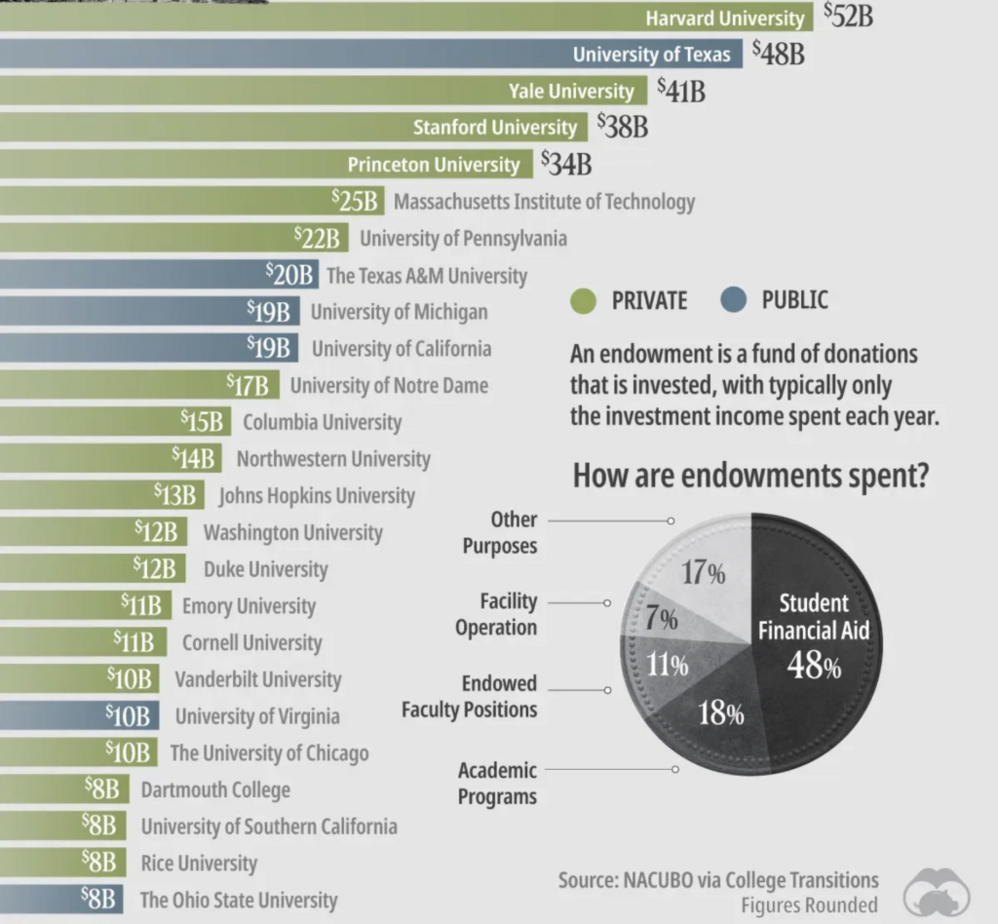
This is what most people think of when they hear “real education company.”
And honestly, almost nobody successfully takes this path strictly from info…
Usually, you’re still the seller. Not the provider.
In other words, you go from selling your courses to consumers to then selling them to universities (usually, licensing them).
Or, universities “white-label” your content, and have you teach it to their students as an adjunct professor…
A great example of this is Dorie Clark, who was named, the “#1 Communication Coach in the world” by the Marshall Goldsmith Leading Global Coaches Awards. She is not a tenured academic professor. She is an outside expert, and Duke’s executive education program hires her to teach her specific expertise to their students.
This isn’t the norm though, however…
Here’s 3 reasons why creator-driven info businesses almost never transition into model #3 – the university model.
1) The regulatory gauntlet:
The licensing and approval process takes 6 to 18 months just to get state approval.
And that’s before you even start the accreditation process.
Then you need approval in every state where you want to grant degrees. Each state has different requirements. You’re navigating Department of Education reviews, proving financial stability, demonstrating you have qualified faculty.
Speaking of faculty—you can’t just hire practitioners. You need instructors with advanced degrees and teaching credentials. Accrediting bodies typically require faculty with PhDs and substantial teaching experience.
Your “expert practitioner” model doesn’t work here.
And forget about agile content creation. Accredited institutions must adhere to strict standards for curriculum development, learning objectives, and student assessment.
You can’t just film a course and call it a degree program.
2) The timeline and cost:
The road from startup to accredited institution is a 5-10 year process and requires an endowment in the millions.
Even at established institutions, the average combined direct and indirect cost of maintaining accreditation is about $415,000 (according to Inside Higher Ed).
And that’s for institutions that already have the infrastructure.
Newly accredited institutions also undergo a comprehensive evaluation after five years. So this isn’t a one-and-done process.
3) The business model shift:
You’re no longer selling transformation or skills. You’re selling credentials that students can use to get jobs or advance careers.
You’re competing with state-funded universities that have massive subsidies. Your $50K online MBA is competing against a $30K state school MBA.
Student loans and federal aid become crucial. For an institution to be eligible for Title IV financial aid programs, it must have accreditation recognized by the U.S. Department of Education and have been in business for at least two years.
So, who actually does this?
Not creator-driven info businesses.
The ones that successfully become accredited institutions usually started as traditional schools that went online—not info businesses that tried to become universities.
Western Governors University started with backing from 19 U.S. governors.
Southern New Hampshire University was a brick-and-mortar school founded in 1932 before scaling online.
The bottom line:
Most info business founders who pursue this path waste 3-5 years + tons of capital before realizing they’re building the wrong business.
The regulatory burden is massive. The timeline is brutal. The capital requirements are often unbearable.
And last but not least: your students probably don’t need a degree from you.
They need skills, results, and transformation—which you can deliver through Model #1 or Model #2 without becoming a university.
Let’s face it… how many people now say, “college is a scam”
Unless you want to be a doctor or lawyer, you don’t really need it. And if you were to work with that market, it’s way better to offer those people CE credits AFTER they already get their job and HAVE money.
So while model #3 CAN work…
And it CAN result in massive revenue growth (if you become the next Harvard University)…
For 99% of info businesses, it’s simply the wrong path.
So which model is best for you?
Depends on what you’re trying to build.
Model #1 works if: You have a strong personal brand or can build one. You want speed and agility. You’re selling transformation, not credentials. You’re willing to become exceptional at monetization because you’re competing on results, not regulatory moats.
Tony Robbins and Russell Brunson didn’t need accreditation to build $100M+ businesses. They needed distribution, great offers, and the ability to deliver transformation at scale.
Model #2 works if: You’re willing to deal with regulatory complexity in exchange for guaranteed demand. You understand compliance markets. You can navigate state approvals and maintain accreditation standards. You want recurring revenue tied to mandatory professional requirements.
PESI didn’t become a $124M business by accident. They tapped into a market where professionals have no choice but to buy.
Model #3 rarely works for businesses that started as creator-driven info products. The timeline is too long. The capital requirements are too steep. And most importantly—your students don’t need a degree from you.
Here’s what most info founders miss:
The question isn’t “Do I need to become a real education company?”
The question is “Am I extracting maximum value from the model I’m already in?”
In my experience, most info businesses doing $3M-$10M are leaving millions on the table.
Not because they need don’t offer CE credits…
Not because they need accreditation…
But because they haven’t maximized monetization in their current model.
Fix that first. Then consider a model shift if it makes sense.
The most effective & predictable fix usually is a full-funnel email marketing strategy.
I hope this post resonated with you today.
If you want my help scaling your info or coaching business feel free to reach out or book a free consultation with me here.


“Matt is an email wizard. Our list is growing faster than ever and our
conversion rates have more than doubled.”

“Our email revenue has grown a lot since working with Matt, and more importantly he's helped us lower our CPA on cold traffic by 4x.”

“Matt drove conversions across multiple campaigns. His copywriting resulted in higher open rates, click-through rates, new customer acquisition and ascension, and increased revenue for the company.”


