
Email Marketing Playbook For Course Creators: Grow From $1M to $100M+ in ARR...
A step-by-step proven roadmap for turning 7-figure creator businesses into 9-figure education empires...

Matt Hommel

I hope you enjoy this blog post. If you want my team to just do your marketing for you, click here.
Daily emails are probably the most powerful flywheel in the history of the entire internet.
Whenever I onboard a client, I map out a yearly email marketing calendar for them.
Then, I plan promotion periods based on their offer frequency.
This spaces out the calendar more.
Some brands do daily promotions, like PESI Inc., who has over 2,000 products to promote.
Others do less promotions.
Ideally though, we want to be promoting something once per month, whether that’s a live webinar, a speaking gig, a new offer, a guest speaker coming into your community, a virtual summit you’re speaking at, etc.
These promotion periods provide novelty for your list and keeps engagement high.
This calendar approach is much different than E-Commerce brands who follow typical seasonal promotions, etc.
For NON-E-COMMERCE brands…
You can also think about your birthday, if you want to do a birthday sale. Black Friday, Christmas. Halloween. Labor Day. Etc.
Typically, you should block out 3-7 days for the promotion periods.
Once you’ve mapped out the main events, now you create daily emails to fill in the remaining slots.
There are plenty of things you can talk about to do that:
Over time you’ll develop a grab bag of email types you can use and then just plug-and-play your ideas into those emails.
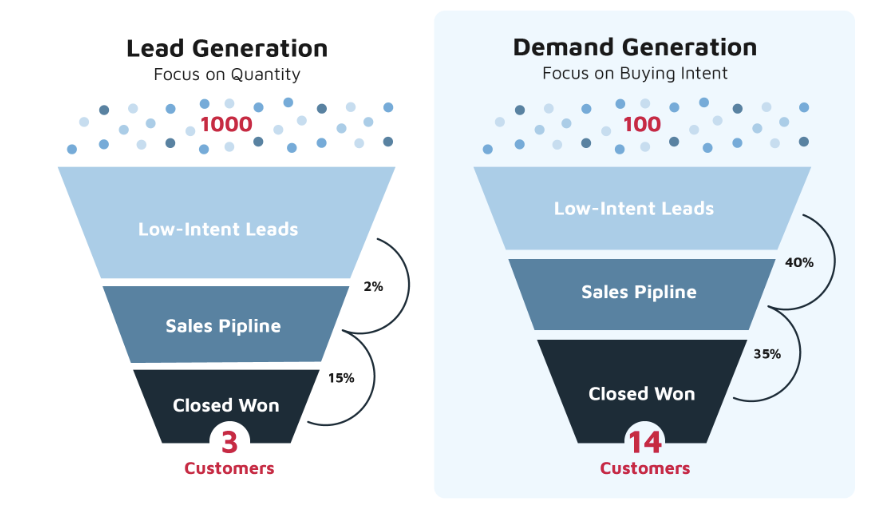
I’m also a huge fan of using Demand Generation emails.
Demand generation is really a content strategy, focused on moving people through the funnel. Ultimately, it converts more of your leads.
I’ve written about belief mapping before.
But the idea is to follow the full sales cycle of a prospect. Otherwise known as their customer journey.
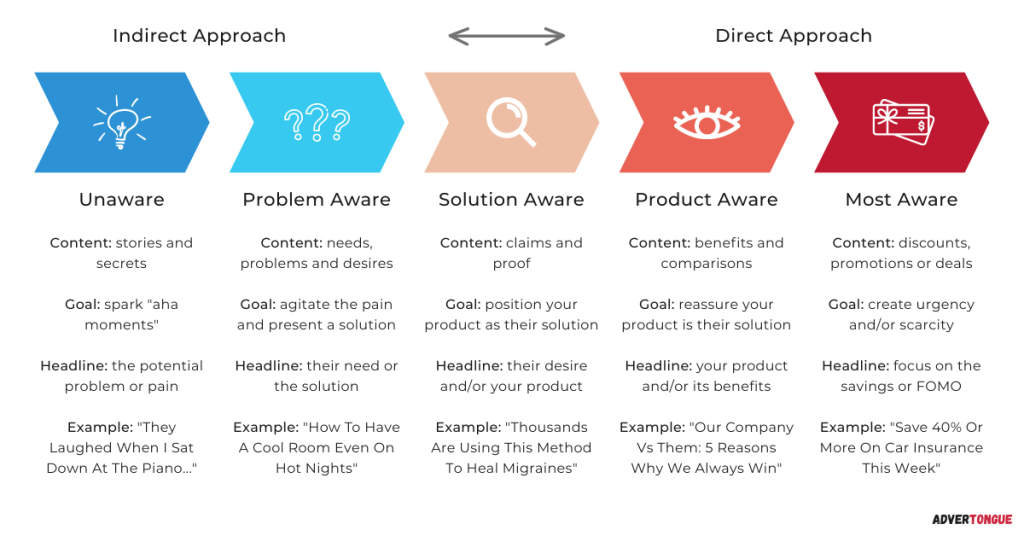
Most people on your list are going to respond best to a Problem/Solution approach.
Problem works because you’re bringing up problems/pains your subscriber feels on a daily basis. This shows empathy and resonates with them.
The emotional element of this makes your emails convert best.
My favorite is a mix of:
PSTT emails stand for:
Learn more about PSTT emails:
Relational stories are great too for bonding, but I try not to overdo them.
This promotion cycle will depend on your unique offer stack and customer journey.
The simple promotion planning framework:
If you promote something 2x per month, a typical month might look like:
Week 1: Hard Promotion (Low-Ticket Product)
Week 2: Content/Nurture
Week 3: Hard Promotion (High-Ticket Offer)
Week 4: Community Building
During weeks when you’re not in “hard promotion” mode, your emails should still guide subscribers toward eventual purchases but with less direct pressure:
Also, during non-promo weeks, you can make direct offers that are more “invitation style.” For example:
Hard Promo:
“Book a call today to join our 90-day coaching program. Only 3 spots left!”
Soft CTA:
“If you’ve been thinking about improving your email marketing, I’m currently helping a few business owners implement this system. If that sounds interesting, just reply to this email and we can chat about whether it’s a fit.”
This is still a direct offer, but it’s framed as an invitation rather than a hard sell.
This allows you to move prospects through a typical sales cycle without actually selling them stuff.
Instead of selling them on your offer, you’re selling them on the concept of your offer. Make sense?
Think of it like lawyers building a case.
There are four elements that directly correspond to legal argument structure:
The sales cycle themes are all about case building.
During non promotion periods:
Direct offer = telling people about what you do/how you work with people. You can tell stories about that, share industry insights, etc. But you’re making it very clear what your offer is or what you do.
It’s important to keep re-enforcing this idea to people. Re-enforcing the benefit you help people with, showing the rosy picture. So they know you clearly have a way to help them.
Evidence = testimonials/case studies that prove what you do works. During non promo periods these types of emails can go to blog articles, YouTube videos, etc.
Expert testimony = stories & visual demonstrations. Your story of creating a product or finding out what works. A customer’s story/case study. A demonstration of you doing what you’re teaching/selling (if you sell info/coaching). If you sell services, you can show yourself doing the thing you help clients with.
A QUICK NOTE ON DEMONSTRATIONS: Most people think showing how you do something creates competition or removes the need for people to buy from you. That’s true in info, because you’re selling people something that shows them how to do something (a book or course, etc.) or does it for them (templates, tools, etc.). However, in services your clients are busy and have money – or a budget provided by the company.
People who buy services don’t want to learn how to do something; they want to pay for someone to do it for them—someone who already has done it successfully and will save them trial & error (from learning to do it themselves or hiring someone inexperienced and then having to hire again.)
And if you’re a SaaS company, demonstrations could be demos of how your tool works. Walkthroughs. Etc. These type of blog articles and YouTube videos CRUSH in SaaS.
Constraint removal = FAQs, objection handling, paradigm shifting emails, belief shifting.
The bottom line: You’re always building a case for your offers, but during non-promo weeks, you’re doing it more indirectly while establishing authority and delivering value.
You’re still moving prospects toward a buying decision but without the urgency or direct pressure of a promotional period.
This approach maintains list engagement while preventing subscriber fatigue from constant hard selling.
It also allows you to consistently deliver value between promotions, which builds trust and positions you better for future promotional period.


“Matt is an email wizard. Our list is growing faster than ever and our
conversion rates have more than doubled.”

“Our email revenue has grown a lot since working with Matt, and more importantly he's helped us lower our CPA on cold traffic by 4x.”

“Matt drove conversions across multiple campaigns. His copywriting resulted in higher open rates, click-through rates, new customer acquisition and ascension, and increased revenue for the company.”


